Burst Pipe Emergency Guide: What to Do, Damage Control & Repair
A burst or actively leaking pipe can damage walls, floors and belongings quickly. Learn what to do first, how to limit damage, what a plumber may inspect and what can affect repair cost.
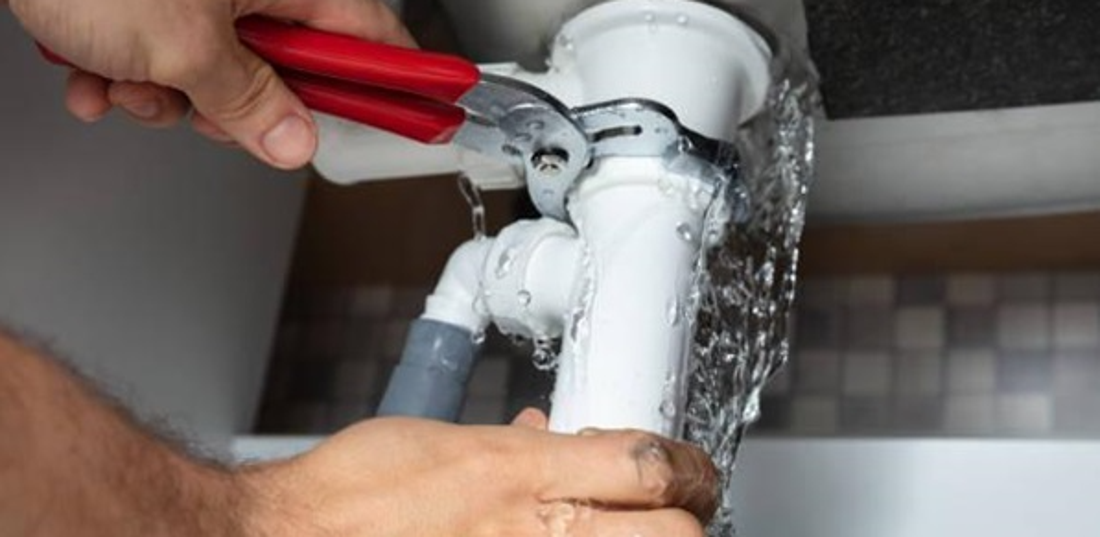
What to do first
If water is actively escaping from a pipe, protect people from electrical hazards and standing water, then shut off the appropriate water supply when it is safe to do so. If the source is unclear or the leak is severe, the home's main water shutoff may be needed.
Signs of a burst or failed pipe
- Sudden water flow from a wall, ceiling, cabinet or exposed pipe.
- Rapidly spreading dampness or pooling water.
- A sharp drop in water pressure.
- Unexpected water-meter movement when fixtures are off.
- Bulging drywall, staining or dripping from ceilings.
Common causes
Pipe failures can result from corrosion, aging materials, damaged fittings, excessive pressure, movement, accidental impact, installation problems or other conditions. California climates reduce some freeze risk, but exposed piping in colder inland or mountain areas can still be vulnerable.
What repair may involve
The plumber may isolate the damaged section, determine whether a fitting or length of pipe should be repaired or replaced, and inspect nearby piping for related deterioration. Access and restoration work can be separate from the plumbing repair itself.
What affects repair cost
- Location and accessibility of the failed pipe.
- Pipe material and size.
- Extent of water damage.
- Wall, ceiling, cabinet or flooring access.
- Emergency timing and provider availability.
After the leak is stopped
Wet materials may need drying, cleaning or replacement. Significant water intrusion can require separate restoration work. Document visible damage and keep repair records when insurance may be involved.
Burst-pipe decision guide
| What you see | What it may mean | Practical next step |
|---|---|---|
| Water spraying or flowing continuously | Active pressurized supply leak | Shut off the affected supply or main water when safe; protect the area and arrange repair. |
| Ceiling or wall rapidly becoming wet | Hidden supply or fixture leak above/behind the surface | Stop water use, isolate the supply if possible, and avoid electrical hazards. |
| Water stopped after shutoff but materials remain wet | The plumbing source may be controlled, but moisture remains | Document damage and determine whether drying/restoration is needed. |
| Repeated failures or visible corrosion nearby | The failure may not be isolated | Ask whether adjacent piping should be evaluated before finishes are closed. |
Questions to ask before approving repair
- What exactly failed, and what evidence supports that diagnosis?
- Is the proposed repair localized, or is deterioration visible elsewhere?
- What access must be opened, and who restores walls, ceilings, cabinets or flooring?
- Is water-damage mitigation a separate scope from plumbing repair?
- What parts and labor are included, and what could change the estimate?
- What warranty applies to the plumbing repair?
Repair versus water-damage restoration
Stopping and repairing the failed plumbing component is different from drying and restoring materials damaged by escaping water. A plumber may handle the pipe repair while a separate provider handles extraction, drying, drywall, flooring, cabinetry or other finishes. Homeowners should ask their insurer directly about policy coverage rather than assuming the failed component or resulting damage is covered.
Burst pipe FAQs
Should I turn off the main water?
If the leak cannot be isolated locally and it is safe to access the main shutoff, stopping the water supply can limit additional damage.
Is every burst pipe an emergency?
Active uncontrolled water flow can become urgent quickly. Response availability varies by provider and location.